Why a Proper Wash Routine Prevents Micro Scratches on Clear Coat
The clear coat on a vehicle serves as a protective layer that enhances gloss and shields the underlying paint from environmental contaminants. Over time, however, microscopic scratches can accumulate, diminishing the finish and reducing overall clarity. These fine imperfections often originate from improper washing practices rather than from driving itself. Understanding how to structure a wash routine using appropriate techniques and tools can help minimize the introduction of new micro scratches.
Detailing professionals and experienced enthusiasts commonly rely on a combination of methods that separate contaminants from contact surfaces. The two-bucket method, use of microfiber mitts, pH neutral shampoos, grit guards, and specific drying techniques are frequently cited as key elements in a low-risk washing process. Each component addresses a particular aspect of scratch prevention, from trapping dirt to reducing friction during contact. By examining each element in detail, it becomes clearer how a systematic approach can support paint preservation.
Understanding Micro Scratches on Clear Coat
Micro scratches, sometimes referred to as marring or swirl marks, are very fine grooves in the clear coat that scatter light and create a dull or hazy appearance. They are typically caused by abrasive particles being dragged across the surface during contact. In a standard wash scenario, loose dirt, dust, and grit become trapped in wash media or drying towels. When this contaminated material is moved across the paint, it can act like sandpaper, leaving behind tiny grooves.
The clear coat itself is relatively soft compared to the underlying paint and can be easily damaged by even minimal abrasive pressure. Without a system to isolate and remove contaminants, each wash cycle has the potential to add new imperfections. The goal of a well-designed routine is to minimize the amount of abrasive contact and to capture particles before they reach the paint surface. While no wash process can completely eliminate the risk of scratches, adopting specific practices can significantly reduce their frequency and severity.
Environmental factors such as the presence of road grime, pollen, or industrial fallout further complicate the process. Pre-washing steps, such as a thorough rinse or the use of a foam cannon, can help loosen and remove larger debris before any physical contact occurs. This initial stage is often considered foundational to reducing the load of abrasive material that the wash media must manage.
The Role of Contamination and the Two-Bucket Method
The two-bucket method is designed to address the problem of dirt transfer from the wash media to the paint. In a single-bucket system, a mitt that has just wiped a dirty panel is dipped back into the soapy water, releasing trapped dirt into the cleaning solution. This contaminated liquid is then reapplied to the next panel, increasing the risk of scratching. The two-bucket approach separates the functions of cleaning and rinsing.
One bucket contains the soapy water used for washing, while the other holds plain water for rinsing the mitt. After each panel or section, the mitt is rinsed in the clean water bucket to dislodge dirt before being reloaded with soap. Grit guards—plastic grids placed at the bottom of each bucket—further enhance this system by capturing heavier particles that settle. As the mitt is pressed against the guard during rinsing, larger debris falls to the bottom and remains trapped, reducing the chance of reintroduction.
When used consistently, the two-bucket method can help maintain a cleaner washing medium throughout the process. The number of times the rinse water needs to be changed depends on the level of contamination, but regular replacement is often recommended. This approach, combined with a proper pre-rinse, provides a structured way to minimize the contact of abrasive particles with the clear coat.
Choosing the Right Wash Media
The material used to wash the vehicle plays a direct role in whether micro scratches are introduced. Cotton sponges, brushes, or low-quality cloths often have rough fibers that can hold grit against the paint. Microfiber mitts, particularly those with a plush or chenille-like texture, are widely preferred for their softness and ability to trap dirt within their fibers rather than dragging it across the surface.
When selecting a microfiber mitt, factors such as fiber density and weight can influence performance. Higher grams per square meter (GSM) generally indicate a plushier surface that can hold more liquid and trap particles more effectively. The mitt should be used with gentle pressure, allowing the soapy solution to carry away contaminants rather than relying on scrubbing. Many professionals recommend washing in straight lines or overlapping motions rather than circular patterns, as circular strokes can make any existing scratches more visible.
Care of the wash media itself is also important. Mitts that are not cleaned thoroughly between uses or that are dropped on the ground can become embedded with debris. Proper rinsing and storage after each wash help preserve their condition. Using separate mitts for painted surfaces and for wheels or lower panels is another common practice to avoid cross-contamination from heavier dirt and brake dust.
pH Neutral Shampoo and Its Benefits
The soap used in the wash bucket should be formulated to clean without stripping protective layers or softening the clear coat. Many standard car wash soaps are designed to be pH neutral, meaning they are neither strongly acidic nor alkaline. A pH neutral shampoo can effectively remove light road grime and dirt while being gentle on waxes, sealants, and ceramic coatings that may be present.
Harsh detergents or household soaps can cause a chemical reaction that compromises the integrity of the clear coat or its protective layers. Over time, such products may lead to dullness or increased susceptibility to scratching. By contrast, a dedicated auto wash shampoo often contains lubricants that help reduce friction during the wash process. The lubricating properties allow the mitt to glide more easily across the surface, further decreasing the chance of marring.
Following the manufacturer’s dilution instructions is important, as overly concentrated solutions may leave residues that attract dirt, while too weak a mixture may provide insufficient lubrication. A pH neutral shampoo, used in the correct ratio, contributes to a safer washing environment. While no product can entirely prevent scratches, using a shampoo that supports glide and maintains protection is one component of a broader strategy.
Drying Techniques to Minimize Risk
Drying is often overlooked as a source of micro scratches, yet it involves direct contact with the paint. When water evaporates on its own, mineral deposits can form, but forced drying with towels can create friction if not performed carefully. The choice of drying towel and the method used can influence whether new marks appear.
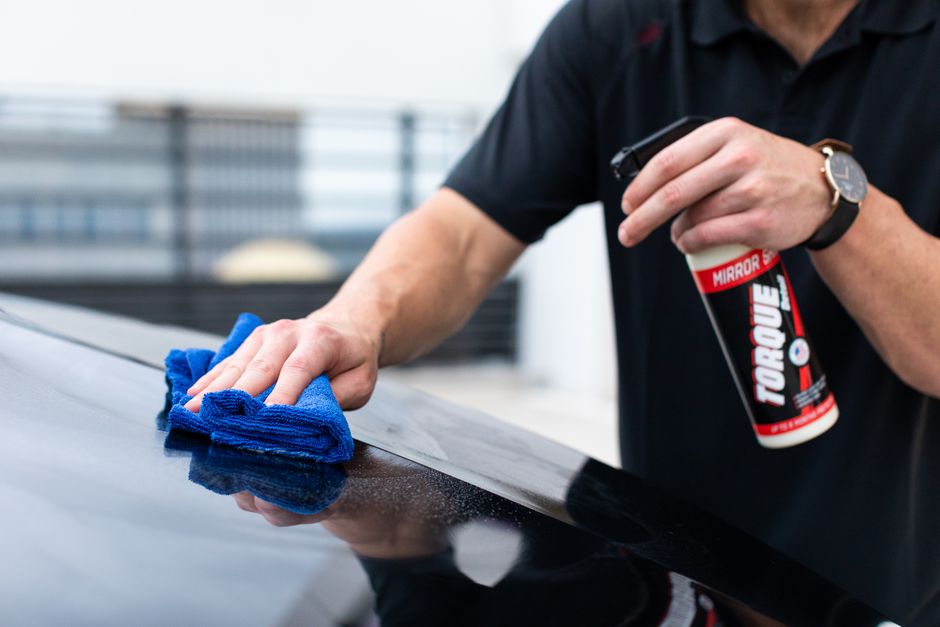
Microfiber drying towels with a high GSM and a soft, absorbent weave are commonly used. The towel should be clean, free of debris, and ideally used only for drying. Techniques such as laying the towel flat on the surface and dragging it gently, or using a blotting motion, can reduce the abrasive effect. Some detailers prefer to use a quick detailer or spray wax as a drying aid, adding extra lubrication and reducing drag.
Compressed air blowers or specially designed car dryers offer a contactless alternative, though they may require additional equipment. If using a towel, working in sections and patting rather than wiping can help. Avoiding excessive pressure and keeping the towel moving in one direction rather than back-and-forth may also lower the risk. As with washing, the core principle is to minimize the introduction of particles and to reduce friction during contact.
Additional Routine Considerations
Beyond the core elements of washing and drying, several supplementary practices can further support clear coat protection. Washing in a shaded area and when the vehicle is cool to the touch helps prevent soap from drying on the surface, which can leave residues that require additional rubbing to remove. Using a grit guard even in the rinse bucket and periodically cleaning the buckets themselves can maintain their effectiveness.
Pre-washing with a foam cannon or pressure washer can loosen heavy dirt before any physical contact occurs. This step, often called a contactless pre-wash, reduces the workload on the wash mitt and the amount of grit that enters the buckets. For very dirty vehicles, multiple rinses may be necessary. Some detailers also employ a clay bar treatment periodically to remove embedded contaminants that washing cannot lift, though this process itself must be done carefully to avoid adding scratches.
Regular inspection of the wash media and buckets for accumulated dirt, as well as frequent changes of wash water during heavily soiled conditions, are simple but effective measures. While no routine can guarantee a scratch-free finish, a combination of thoughtful preparation, appropriate materials, and consistent techniques can help maintain the clarity and gloss of the clear coat over time.